Blog
Salt Water Pools: A Fresh Take on Backyard Swimming
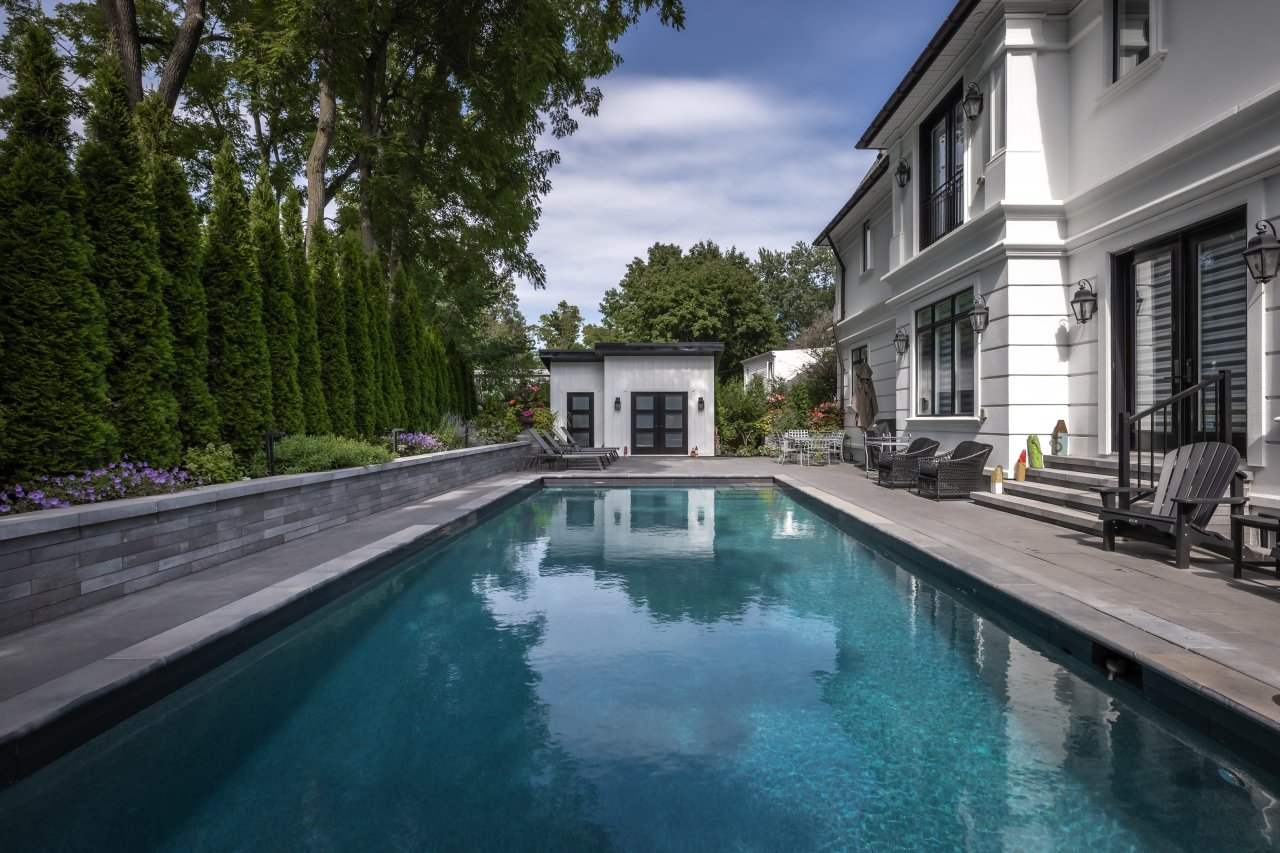

We all know that unmistakable smell—walk into a waterpark or indoor pool, and the sharp scent of chlorine hits you right away. For some, it’s a nostalgic reminder of summers past. For others, it’s a nose-wrinkling irritant that can trigger sneezing, coughing, or itchy eyes.
But what if there was a gentler option?
Enter the salt water pool—a growing trend in backyard design that’s changing the way people swim, soak, and splash. In this post, we’ll dive into how salt water pools work and whether they’re the right fit for your lifestyle.

How Do Salt Water Pools Work?
Despite what the name suggests, salt water pools do contain chlorine—just not the kind you buy in a bucket. Instead of dumping in tablets or liquid chlorine, these pools use a salt chlorine generator to convert dissolved salt into chlorine automatically.
The result? A steady, low dose of chlorine that keeps the water clean without the harsh spikes and chemical smell that traditional pools often have.
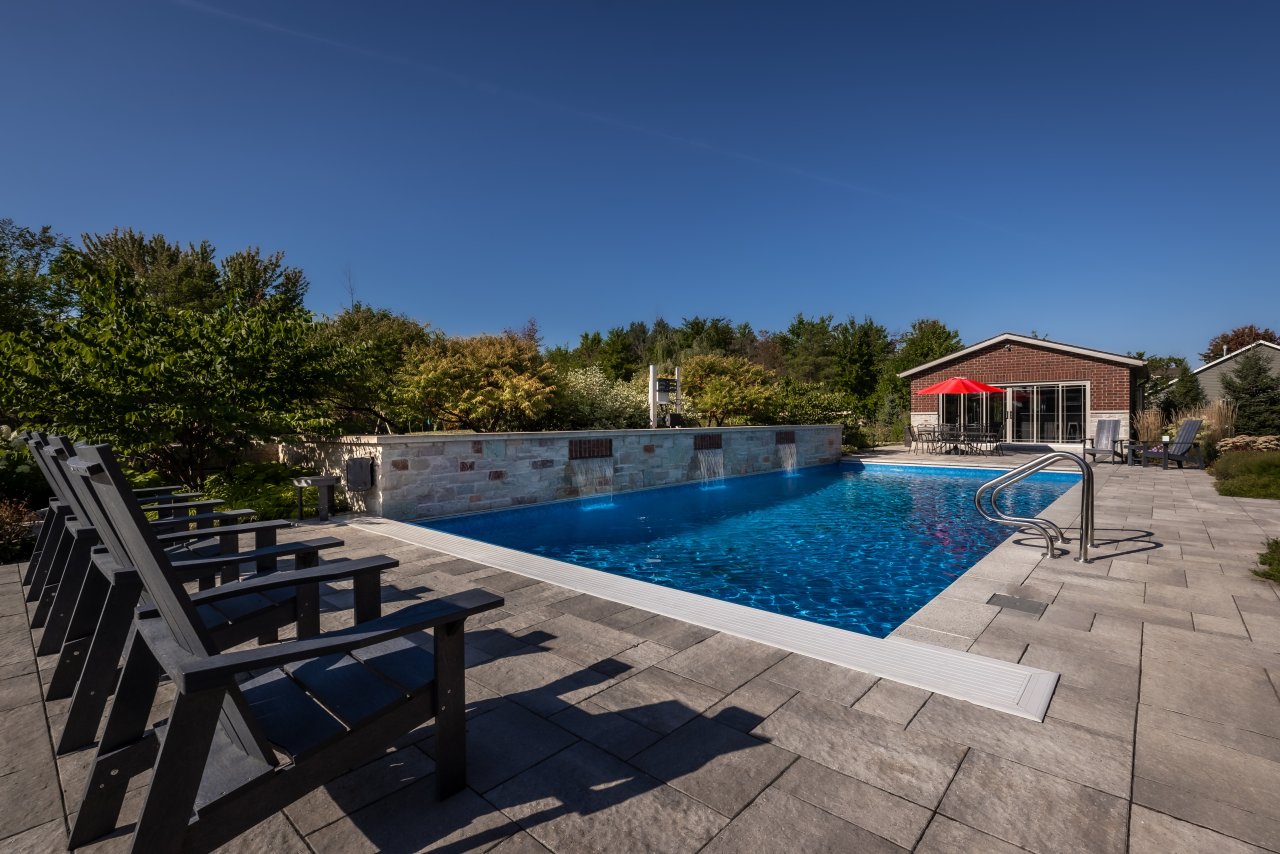
Why Homeowners Love Salt Water Pools
1. No Harsh Chlorine Odour
Say goodbye to stinging eyes and the overpowering chemical cloud that lingers after a swim. Because chlorine levels in salt water pools stay consistent, the smell is far more subtle—perfect for those with allergies, asthma, or sensitive noses.
2. Kinder to Skin, Hair & Eyes
Chlorine can be tough on your body—drying out skin, fading swimsuits, and leaving hair brittle. In contrast, swimmers often describe salt water pools as feeling “silky” or “soothing.” You might just step out of the pool feeling better than when you went in.
3. Lower Day-to-Day Maintenance Costs
Once your system is up and running, you won’t need to buy chlorine week after week. Pool salt is generally more affordable, and the need for extra chemicals (like algaecides or clarifiers) is reduced. It's a win for both your wallet and your water quality.
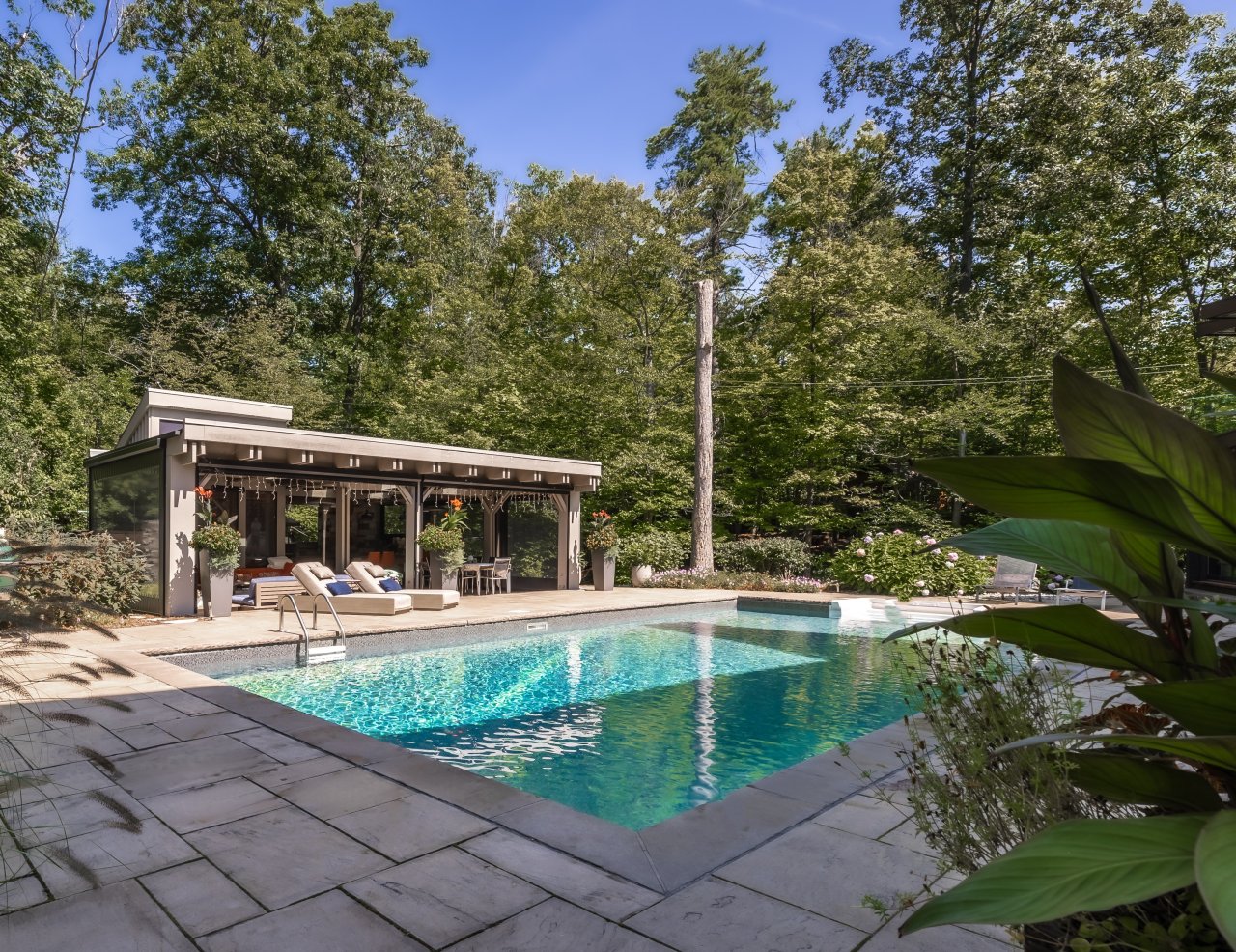
A Few Things to Keep in Mind
1. Corrosion Concerns
Salt is still, well… salt. Without proper care, it can corrode metal fixtures like ladders, handrails, and underwater lights. If your pool has a vinyl liner with metal wall panels, it’s especially important to stay on top of maintenance. Fiberglass or concrete pools? Much more salt-friendly.
2. Higher Initial Investment
A salt chlorine generator and the salt needed to get started can bump up the upfront price tag. But many pool owners say it pays off in the long run through fewer chemical purchases and a more enjoyable swim experience.
3. Generator Maintenance
Salt chlorine generators need regular cleaning and, like most equipment, they won’t last forever. Most have a lifespan of about 5 to 7 years, so factor in eventual replacement costs when considering the switch.

Is a Salt Water Pool Right for You?
If you or your family are sensitive to chemicals, or if you're just looking for a smoother, more natural-feeling swim, a salt water pool could be a game-changer. While the startup cost is higher, many homeowners find that the comfort, convenience, and lower chemical use are well worth the investment.
